

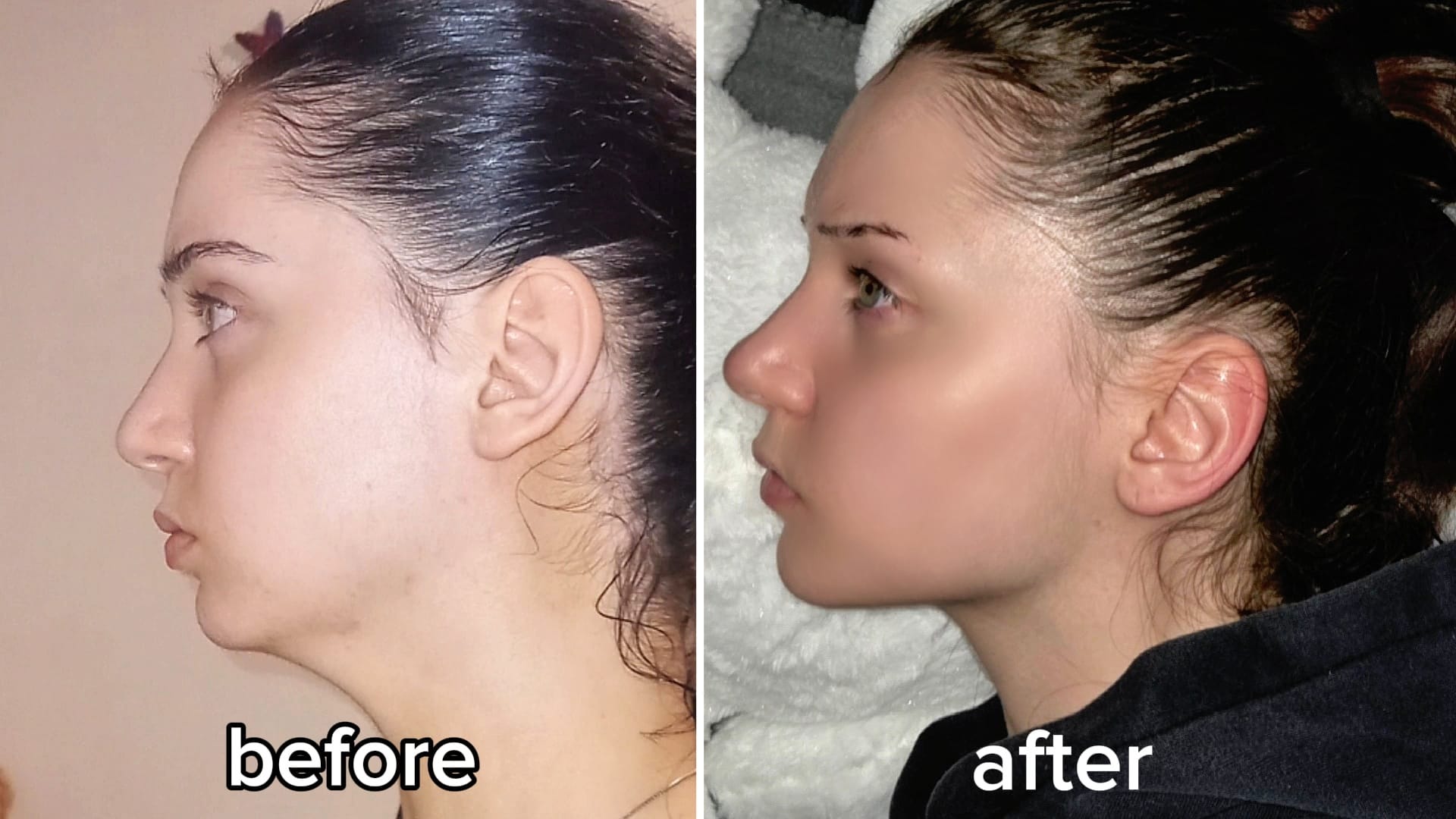
If the bone structure changes for the worse the older we get, it means plasticity exists but it follows destructive orders. That’s why with age, the face starts to look sunken and recessed, the structure collapses, and beauty fades away. But I believe this is not what we were wired for, and that this process is in fact a structural disease.
It’s very hard to recognize a disease that’s so widely spread across the population that it becomes the norm. However, I believe we get to decide whether we want to be a part of this norm or not. I chose not to be, and I reversed my collapsed structure as an adult.
All it took to reverse this modern-day disease was creating the right signals that promote structural integrity instead of structural collapse. As someone who experimented with all available natural solutions for over two years, I figured out the quickest route toward biomechanical health — so let’s begin. :)
Suture Traction
This method involves a set of techniques for gently separating facial and skull bones with the fingers in order to release soft-tissue restrictions in the sutures between the bones. By separating the bones of the scalp and face, you influence how these sutures breathe by releasing any restriction that may be holding the bones from [micro]moving. This release improves the flow of cerebrospinal fluid between the bones so they can freely move under the cranial rhythm, slightly separating and coming closer all the time. Many people notice improved nasal breathing, more symmetry in the eyes and jaw, and a sense of relaxation right after this method — and after a couple of months, you can expect significant bone remodeling.

Thumb-Pulling
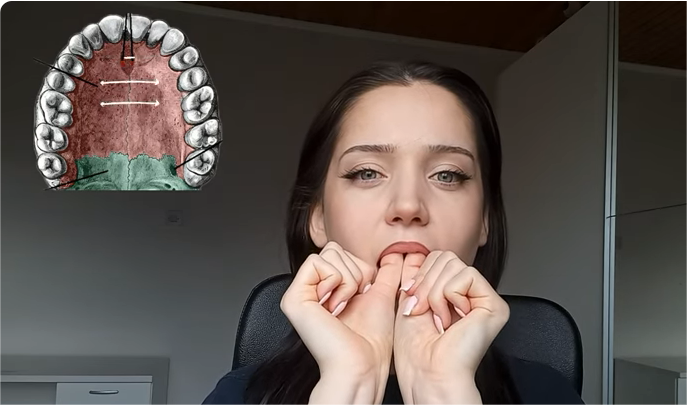
Unfortunately, thumb-pulling has a bad connotation. That’s simply what happens when the right tool ends up in the wrong hands and is misused. Nonetheless, it works when it’s used correctly. This method targets the palatal sutures and is performed by placing the thumbs along the upper palate and applying gentle, directional traction laterally, forward, or in a specific direction to improve palatal symmetry. By applying pressure in a specific direction, you’re sending signals which — if consistent enough — make the maxilla derotate, grow, and remodel.
Mouthguard and Dental Height
And now, the most “controversial” way to restore structure.
Adding dental height through a thick mouthguard changes the resting position of the lower jaw. When you wear a mouthguard, the lower jaw shifts forward, which decompresses the TMJ and stretches the soft tissue around the jaws that may be pulling on them asymmetrically. Since bone position is determined by the muscular forces pulling on the bone, once those forces are balanced and restrictions released, symmetry naturally restores.
However, a mouthguard doesn’t only work through soft-tissue release — it actually impacts the very essence of biomechanics: the nerves. The change in occlusion [the way your teeth touch] recalibrates the trigeminal nerve, indirectly influencing muscle tone across the entire body. This is exactly why people report all sorts of improvements once they start wearing a mouthguard: the mouthguard affects the nerves, and the nerves affect the entire body.

There’s a lot more I want to share with you, but these three methods are the essence of my journey. When you combine them, you create new signals that stop structural collapse and start reversing it. So you can literally go back in time — or experience your true genetic potential for the first time in your life. Either way, the process is incredibly rewarding, and you get to know how both the caterpillar and the butterfly feel [and every phase in between].